Charleston hvac revenue control
Route Charleston HVAC calls by access, equipment, and scope.
Charleston’s cited mechanical intake distinguishes new, upgraded, additional, and repair HVAC work. In Charleston-North Charleston, keep equipment, reported problem, service zone, capacity, slot, and next step in one clear sequence. WrightLabs organizes the response without diagnosing equipment, promising a technician, or deciding permit and inspection outcomes.
Where are my missed Charleston hvac jobs? See holds, approvals, and receiptsBuilt for HVAC owners in Charleston-North Charleston who want the missed-call-to-booking handoff carried through every handoff.
Course correct now
Put one owner on the Charleston-North Charleston missed-call-to-booking handoff
- Resolve Charleston property access and mechanical permit scope before booking.
- Keep equipment, corrosion observation, service zone, capacity, sub-trade inspection, and next step separate.
- Name the Charleston-area owner for the next capacity check or recovery call.

Dead demand in Charleston
You already paid for these leads.
The call that rang out. The form that sat overnight. The estimate nobody owned. In Charleston, hvac demand dies in the handoffs after it arrives, and nothing in the current stack surfaces the miss until the money is gone.
That is dead demand... work you paid for that quietly expires.
The third option
Grow without more trucks or higher prices.
There are only two obvious ways to raise revenue: add employees, trucks, managers, and headache, or raise prices and hope the market accepts it. Jaxon OS is designed to create the third option: recover the demand already coming into the business.
Recovered demand, routed through the right lane, with a receipt for every move. Once scoped and approved from how your business actually runs.
The exact operator question
How can Charleston–North Charleston HVAC companies capture after-hours repair demand and book against real capacity?
Charleston’s cited mechanical intake distinguishes new, upgraded, additional, and repair HVAC work. In Charleston-North Charleston, keep equipment, reported problem, service zone, capacity, slot, and next step in one clear sequence. WrightLabs organizes the response without diagnosing equipment, promising a technician, or deciding permit and inspection outcomes.
How we checked this question
We reviewed this question against the current page evidence before publishing this guide, with low evidence confidence. Here is what the sources do not cover:
The bound page-specific evidence receipt supports the operating question. It does not establish search volume, ranking, or demand.
We do not sell traffic estimates or fake demand numbers. We fix the intake for the real calls already hitting your business.
Local evidence checkpoints
What the current sources actually establish.
Mechanical scope classes
Charleston mechanical intake distinguishes new, upgraded, additional, and repair HVAC work
Source: Mechanical Permit ApplicationProperty-review field
The mechanical application asks whether BAR or another design-review jurisdiction applies
Source: Mechanical Permit ApplicationInspection branch
Charleston routes mechanical inspections under the project permit or a stand-alone trade permit when applicable
Source: Inspections ProcedureCharleston operating plan
What changes in Charleston-North Charleston.
Charleston control 01
New, upgrade, addition, and repair remain separate.
Mechanical scope classes: Charleston mechanical intake distinguishes new, upgraded, additional, and repair HVAC work. Capture customer-reported equipment and work class without diagnosing, inventing corrosion, or declaring permit applicability.
Mechanical scope classes: Charleston mechanical intake distinguishes new, upgraded, additional, and repair HVAC work
Charleston control 02
Property review is an explicit intake question.
Property-review field: The mechanical application asks whether BAR or another design-review jurisdiction applies. Resolve the exact property and reviewing authority before using BAR or design-review status; preserve access and occupancy constraints in the record.
Property-review field: The mechanical application asks whether BAR or another design-review jurisdiction applies
Charleston control 03
Project and stand-alone inspections are different branches.
Inspection branch: Charleston routes mechanical inspections under the project permit or a stand-alone trade permit when applicable. Attach the correct permit identity, rough or final stage, missing evidence, provider capacity readback, customer promise, and responsible person.
Inspection branch: Charleston routes mechanical inspections under the project permit or a stand-alone trade permit when applicable
The owned handoff
Move every next step to one accountable owner.
01
Resolve property, occupancy, work class, and safety
Capture property, occupancy, work class, and safety before the record enters a provider, appointment, permit, or estimate branch.
02
Attach equipment, symptom, access, and review evidence
Keep equipment, symptom, access, and review evidence visible as evidence fields, not scattered notes or assumed facts.
03
Gate provider zone, capacity, permit branch, and inspection
Verify the City mechanical permit branch, project or stand-alone inspection path, provider zone, current capacity source, and property access before promising a response.
04
Own appointment disposition and responsible owner
Read back appointment disposition and responsible owner with the next action, unresolved hold, evidence artifact, and accountable person.
Open the local evidence and proof boundary
Source fact
Mechanical scope classes: Charleston mechanical intake distinguishes new, upgraded, additional, and repair HVAC work | Property-review field: The mechanical application asks whether BAR or another design-review jurisdiction applies | Inspection branch: Charleston routes mechanical inspections under the project permit or a stand-alone trade permit when applicable
Operator inference
Charleston HVAC intake should classify new, upgrade, addition, or repair work while retaining property-review status, occupancy, equipment, symptom, access, provider zone, live capacity, project or stand-alone permit branch, inspection stage, and disposition.
Still unverified: Charleston hvac source facts establish only the named City, County, checklist, or utility-customer process relevant to building-context hvac intake. Provider identity, license, territory, local office, capacity, availability, response time, diagnosis, approval, search volume, ranking, conversion, customer result, and WrightLabs outcome remain unknown.
Proof boundary: Charleston hvac source facts establish only the named City, County, checklist, or utility-customer process relevant to building-context hvac intake. Provider identity, license, territory, local office, capacity, availability, response time, diagnosis, approval, search volume, ranking, conversion, customer result, and WrightLabs outcome remain unknown.
Mechanical Permit Application
City of Charleston: City of Charleston mechanical work classes, property-review questions, and rough/final inspection fields.
Open sourceRetrieved 2026-08-27
Inspections Procedure
City of Charleston: City of Charleston project and stand-alone sub-trade inspection procedure.
Open sourceRetrieved 2026-08-27
Questions owners ask before they change the workflow.
Does a Charleston mechanical application prove HVAC capacity or permit applicability?
No. It provides work and review fields; provider territory, capacity, diagnosis, and the exact authority decision remain unknown.
Do these sources prove Charleston lead volume or conversion?
No. They establish local operating context and authority checkpoints. Search volume, lead volume, ranking difficulty, conversion rate, and revenue outcome remain unknown.
What would WrightLabs build for a Charleston hvac operator?
For a Charleston hvac operator, WrightLabs builds the revenue operating system around the building-context hvac intake handoff shown here. This page routes to the WrightLabs audit and demo. No local crews, no local fulfillment... just the operating system.
Where owners start
Three ways in. All of them start free.
The free AI front desk
Answers and routes, bounded to your company knowledge, FAQs, offers, and services. The starter lane that proves intake control before anything bigger.
The GHL-first build
Already on GoHighLevel or thinking about it? The first governed workflow, receptionist lane, or snapshot starts inside the CRM you already run.
The proposal-room walkthrough
See the intake source, the proposed action, the approval gate, the hold condition, and the final readback before any larger build is approved.
When the operation needs the full command layer, Jaxon OS governs the whole revenue path: routing, follow-up, documentation, receipts, exceptions, and one owner view. Routine scoped work moves inside approved rules. Money, promises, people decisions, and material risk route to you.
WrightLabs designs and implements custom systems around your team’s workflow, existing software, and customer experience. Start with a free audit to identify the first project and agree on the scope.
Where are my missed Charleston hvac jobs? See holds, approvals, and receipts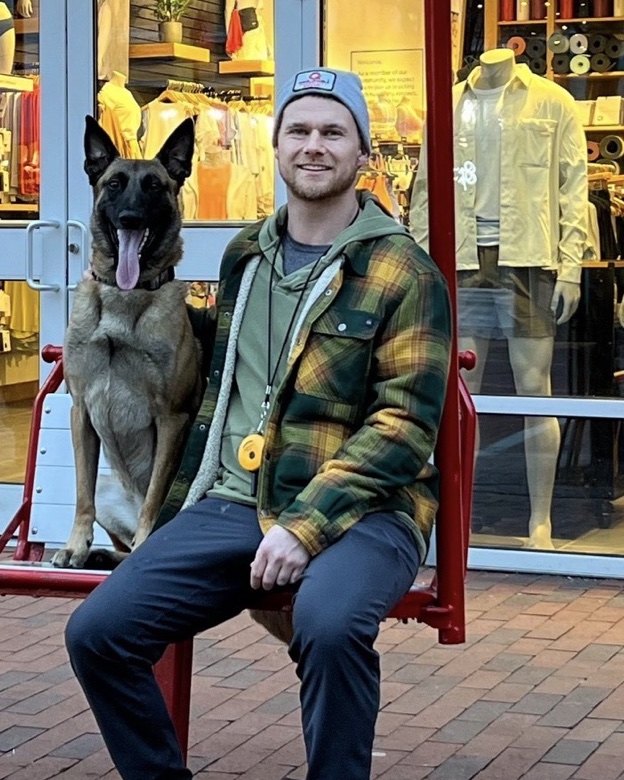
Built by Jamie Wright, with hands-on trade experience, a first lawn mowing business in fifth grade, and a construction-to-solar career that began in 2014.
Where are my missed Charleston hvac jobs? See holds, approvals, and receiptsFind the expensive handoff
See where leads, estimates, and next steps lose ownership.
The FREE Revenue Leak Audit qualifies fit, maps the current lead path, identifies the first controllable gap, and confirms whether a working session or a DIY worksheet is the right next step. Any paid build is scoped and approved separately.
Where are my missed Charleston hvac jobs? See holds, approvals, and receipts